

Our group investigates the origin and diversification of Canarian arthropods using phylogenetic and evolutionary approaches; analyzes taxonomic, functional, and phylogenetic diversity through standardized inventories; and assesses how global change, invasions, and land-use pressures affect the conservation of insular arthropods
Welcome to Beialab

Research Lines
Biodiversity and Evolution of Island Arthropods Lab
Our group investigates the origin and diversification of Canarian arthropods using
phylogenetic and evolutionary approaches; analyses taxonomic, functional, and
phylogenetic diversity through standardized inventories; and assesses how global
change, invasions, and land-use pressures affect the conservation of insular
arthropods.
Research Lines
Biodiversity and Evolution of Island Arthropods Lab
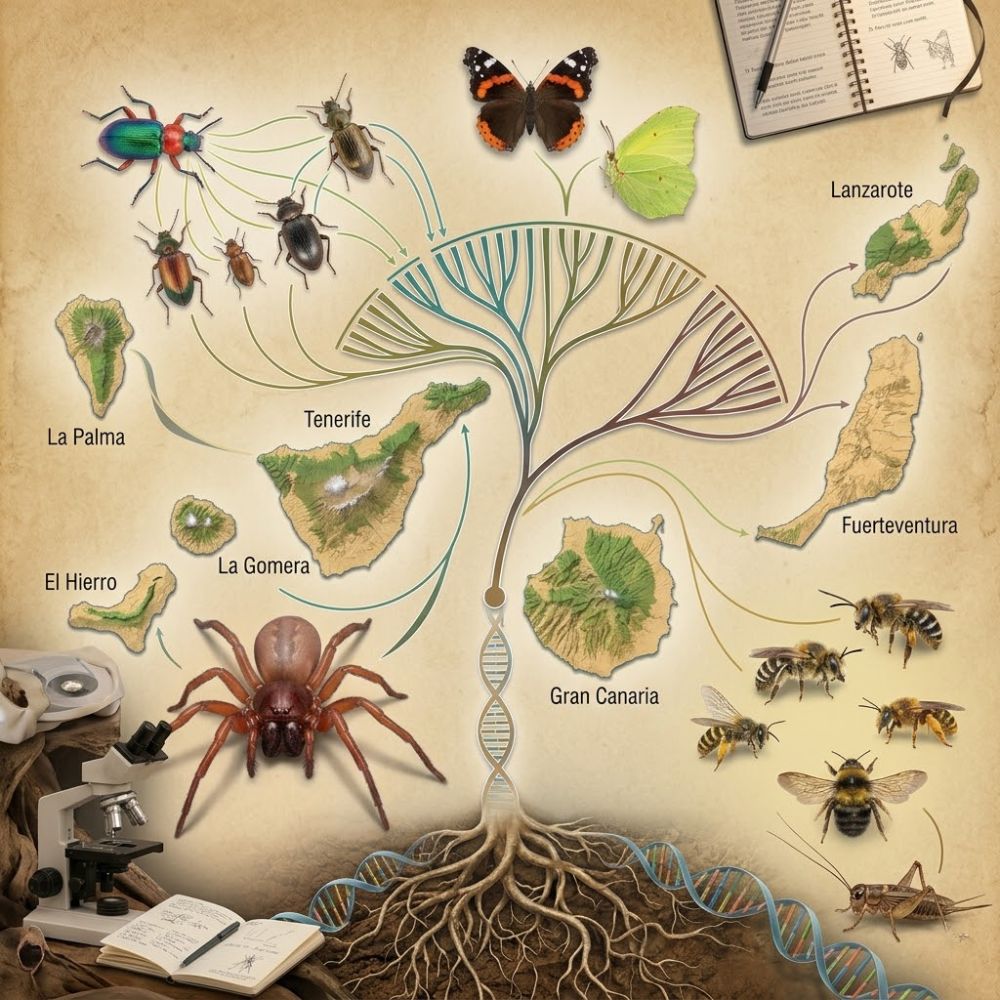
Our group investigates the origin and diversification of Canarian arthropods using phylogenetic and evolutionary approaches; analyses taxonomic, functional, and phylogenetic diversity through standardized inventories; and assesses how global change, invasions, and land-use pressures affect the conservation of insular arthropods.
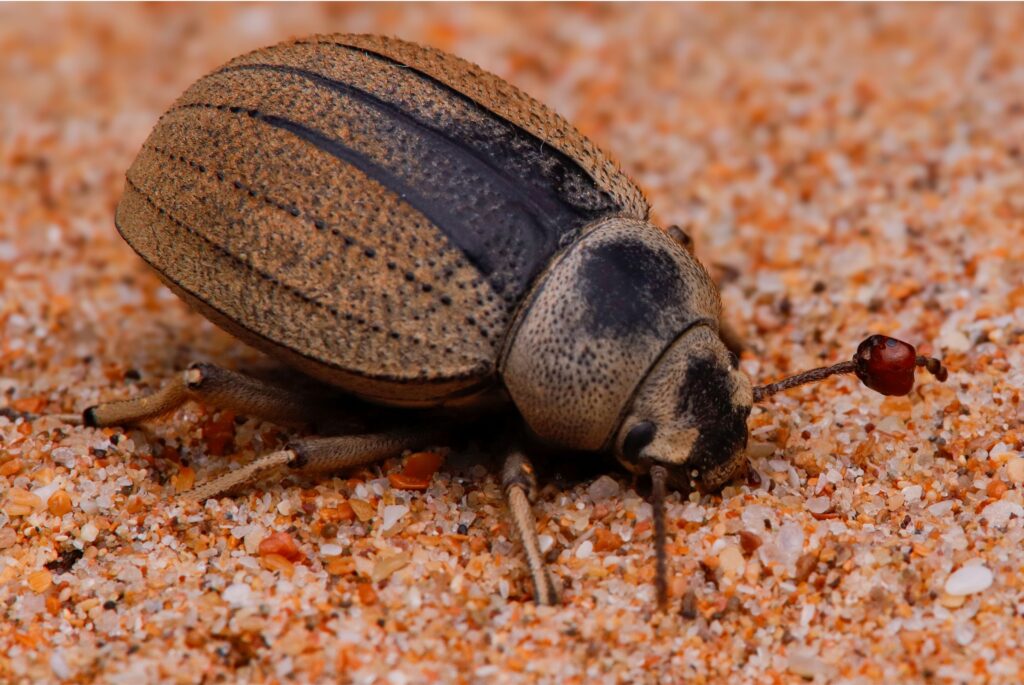
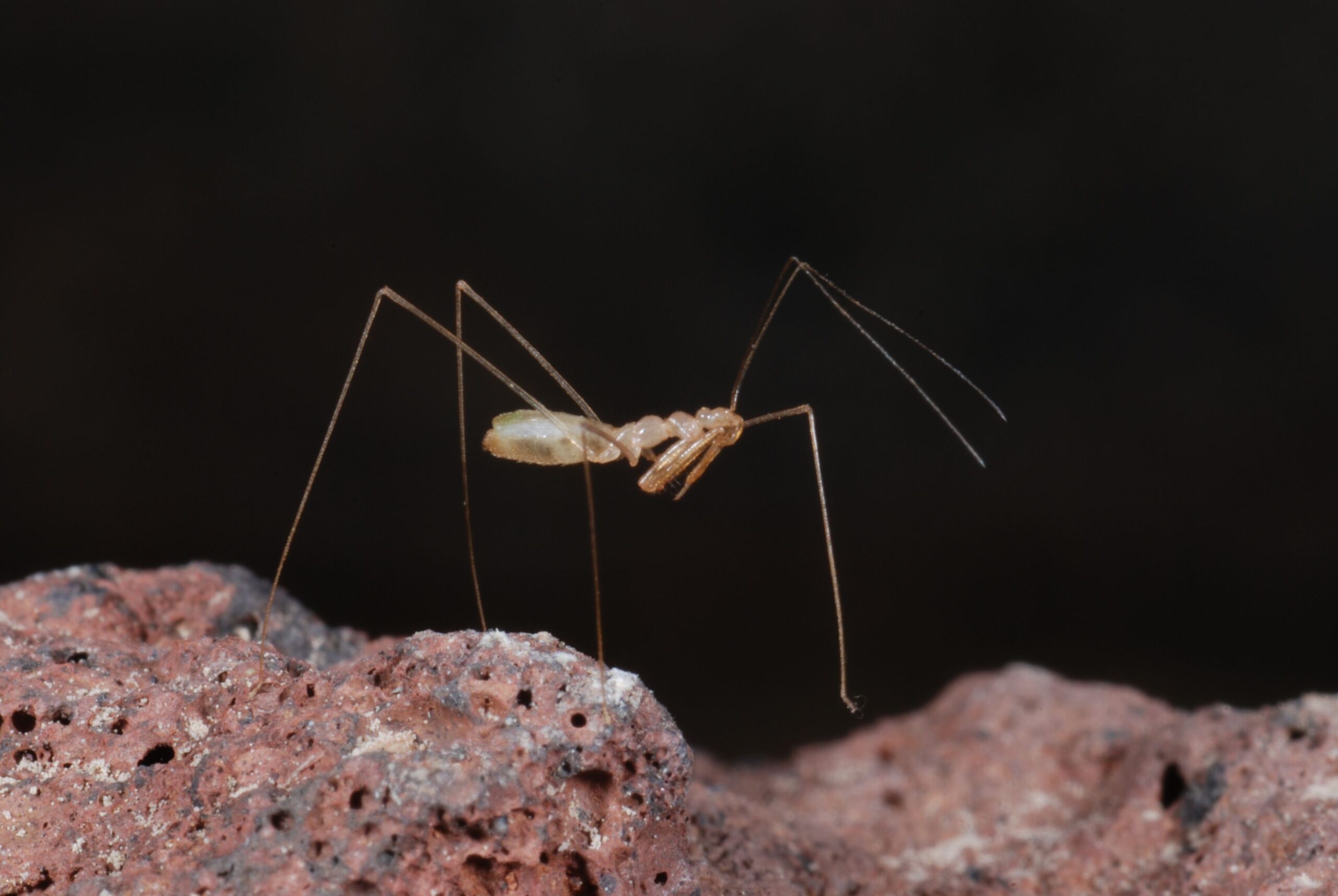
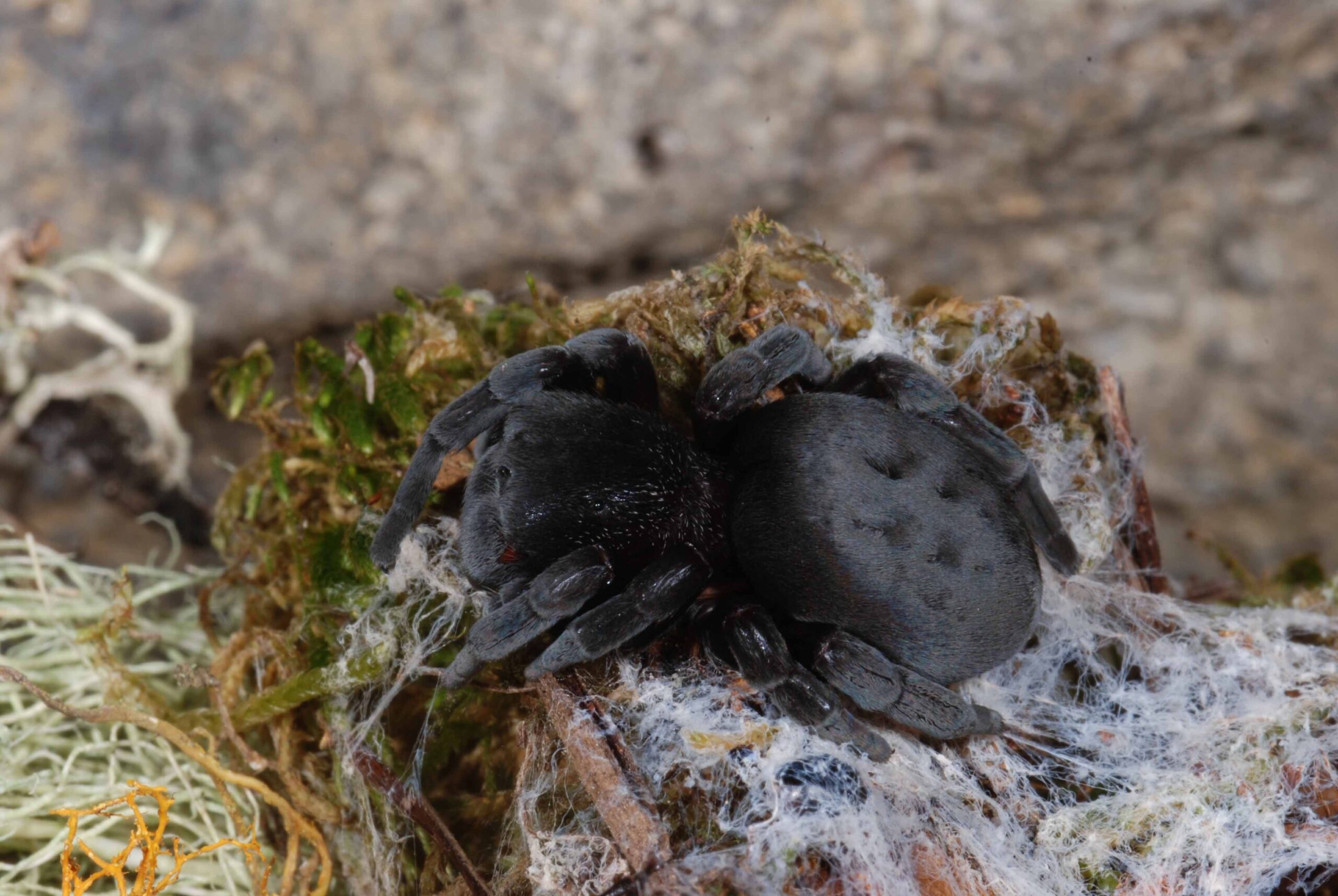
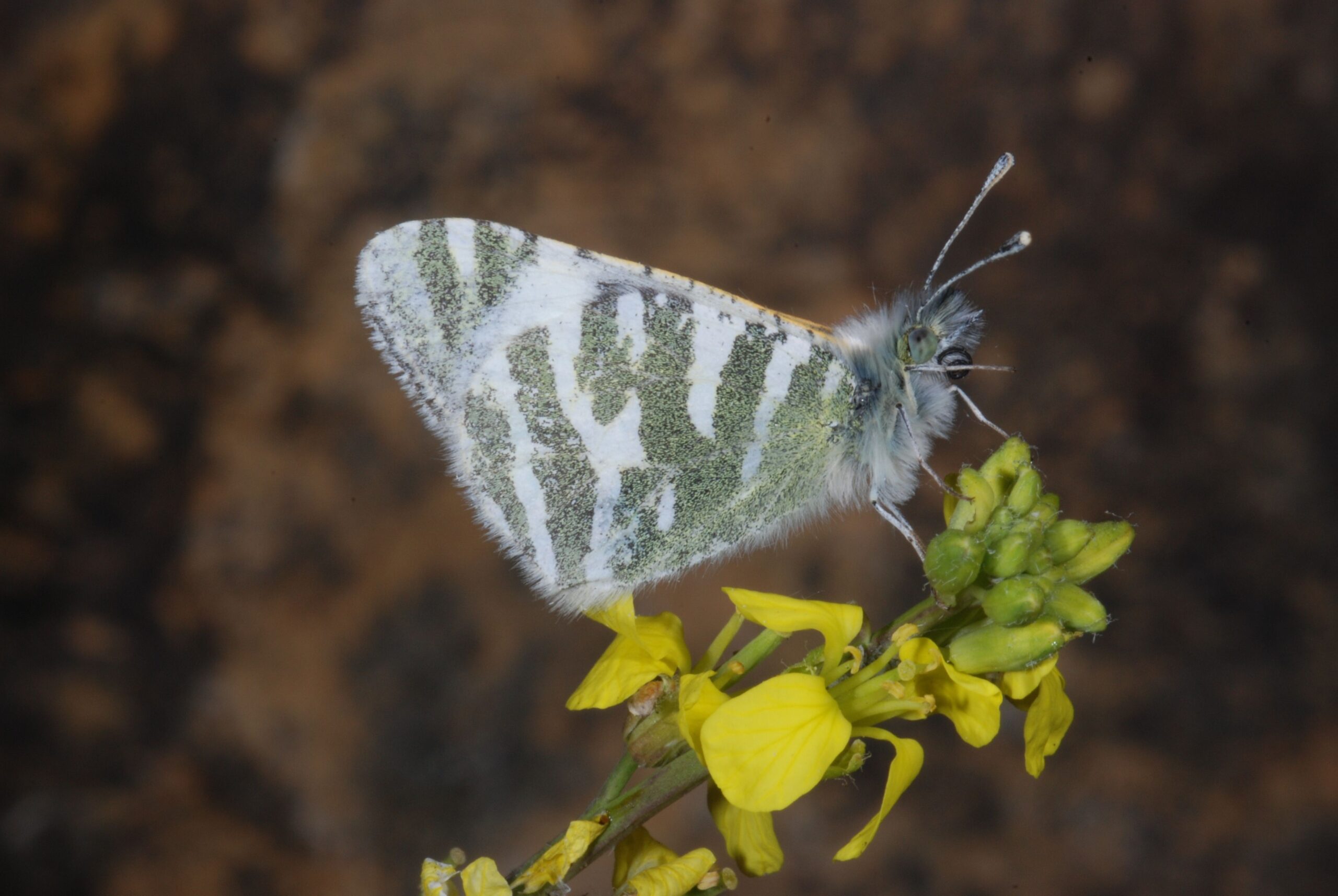
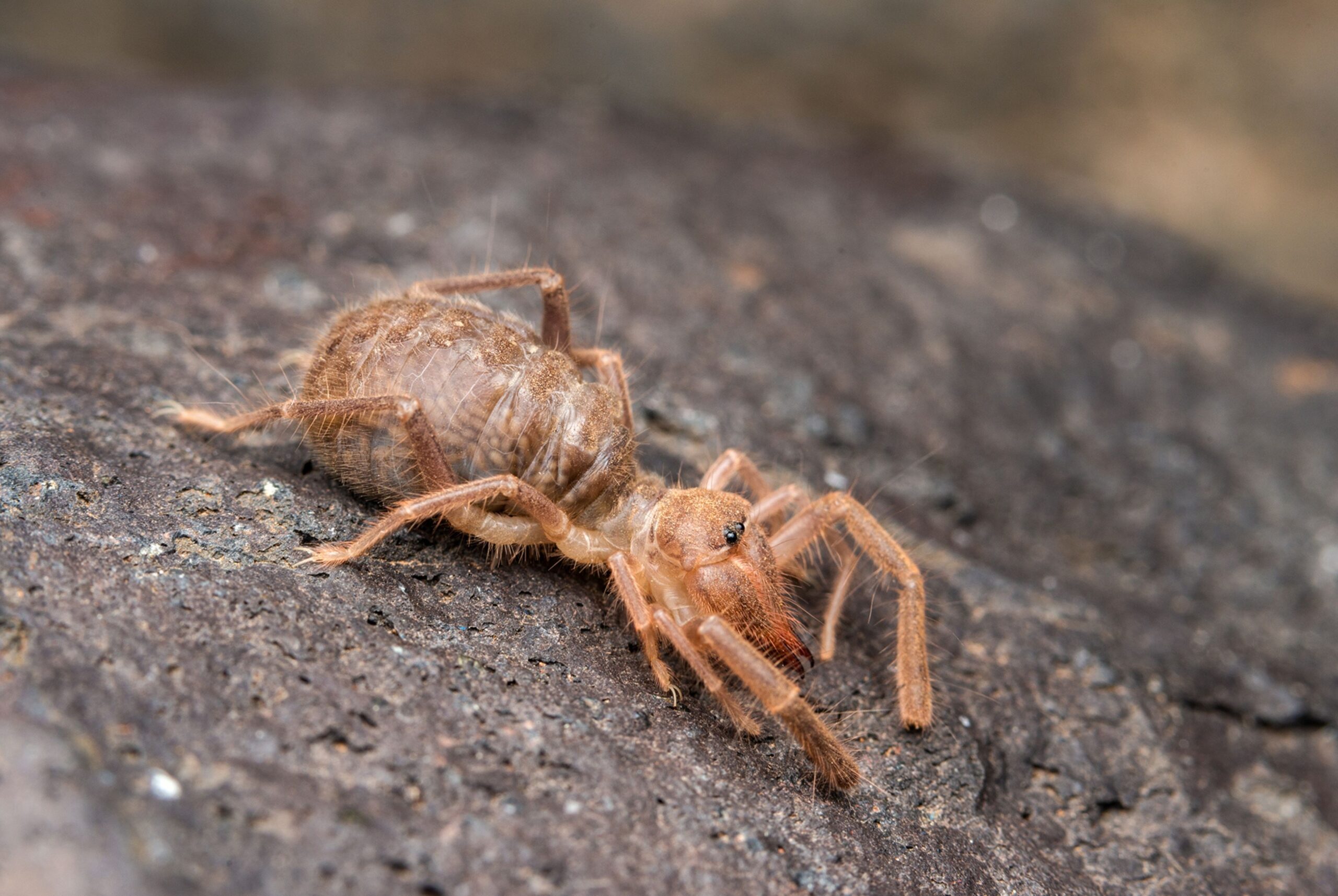
Our research group investigates the biodiversity and evolution of arthropods, with a special focus on oceanic islands—particularly the Canary Islands. We study how arthropod lineages originate and diversify using phylogenetics, ecology, and integrative taxonomy. We analyse taxonomic, functional, and phylogenetic diversity through standardized inventories and global trait databases to understand patterns of community assembly. We also assess the impacts of global change, biological invasions, land use, and beekeeping on native arthropods and wild pollinators. Our work combines basic and applied science to understand, monitor, and conserve biodiversity in insular ecosystems and other high-value natural regions.









Projects

Publications
Suárez, D., Lugo, D., Santos-Perdomo, I., Duque, A., Prez-Delgado, A. J., & Ruiz, C. (2025). Taxonomic review of the family Mythicomyiidae (Diptera, Asiloidea) in the Canary Islands. Zootaxa, 5686(4), 517-535.
Patiño-Sauma, D., Ruiz, C., & Ascher, J.S. 2025. First records of Anthidium florentinum (Hymenoptera, Megachilidae) in the Canary Islands: insights on citizen science and exotic bee species. Journal of Hymenoptera Research, 98, 85-93.
Caloca, P., Suárez, D., Peña, G., Ruiz, C. 2025. First report of Trichopoda pictipennis (Diptera, Tachinidae) for the Canary Islands. Biodiversity Data Journal, 13: e137821. https://doi.org/10.3897/BDJ.12
Costa, R., Macías‐Hernández, N., Rigal, F., Borges, P. A. V., & Cardoso, P. (2025). Do Island Spiders Descend from Trees? A Tale of Island Colonisation and Niche Expansion. Journal of Biogeography, e70093. https://doi.org/10.1111/jbi.70093
Cardoso, P., Baker, N. J., Boieiro, M., Bonte, D., Borges, P. A., Braby, M. F., Macías-Hernández, N., … & Scherber, C. (2025). Toward a global repository of insect traits (GRIT). Insect Conservation and Diversity. https://doi.org/10.1111/icad.70035
Pisarenco, V. A., Boada-Figueras, A., Olivé-Muñiz, M., Escuer, P., Macías-Hernández, N., Arnedo, M. A., … & Rozas, J. (2025). How did evolution halve genome size during an oceanic island colonization?. Molecular Biology and Evolution, 42(9), msaf206. https://doi.org/10.1093/molbev/msaf206
Cardoso, P., Arnedo, M.A., Macías-Hernández, N., Carvalho, W.D., Carvalho, J.C., Hilário, R., (2024). Optimal inventorying and monitoring of taxonomic, phylogenetic and functional diversity. Plos One 19, e0307156. https://doi.org/10.1371/journal.pone.0307156.
N. Macías-Hernández, D. Suárez, S. de la Cruz-López, H. López, P. Oromí (2024). Diversidad de arañas hipogeas del archipiélago canario. Ecosistemas, 33 (2),2516 (ISNN: 1697-2473). https://doi.org/10.7818/ECOS.2516
A. Bellvert, S. Adrián-Serrano, N. Macías-Hernández, S. Toft, A. Kaliontzopoulou, M. A. Arnedo (2023). The non-dereliction in evolution: Trophic specialisation drives convergence in the radiation of red devil spiders (Araneae: Dysderidae) in the Canary Islands. Systematic Biology. syad046, https://doi.org/10.1093/sysbio/syad046.
Mammola Stefano, Fukushima C., Biondo G., Bongiorni L., Cianferoni F., Domenici P., Fruciano C., Lo Giudice A., Macías-Hernández N., Malumbres-Olarte J., Milicic M., Morganti M., Mori E., Munévar A., Pollegioni P., Rosati I., Tenan S., Urbano-Tenorio F., Fontaneto D., & Cardoso P. (2023). How much biodiversity is concealed in the word ‘biodiversity’? Current Biology, 33, R41-R60. https://doi.org/10.1016/j.cub.2022.12.003
Suárez, D., Arribas, P., Macías-Hernández, N. & Emerson, B. C. (2023). Dispersal ability and niche breadth influence interspecific variation in spider abundance and occupancy. Royal Society Open Science 10, 230051. https://doi.org/10.1098/rsos.230051
Martínez‐López, V., Ruiz, C., Pires, M. M., & De la Rúa, P. 2023. Contrasting effects of beekeeping and land use on plant–pollinator networks and pathogen prevalence in Mediterranean semiarid ecosystems. Ecography, e06979. https://doi.org/10.1111/ecog.06979
Suárez, D., Lugo, D., Pérez-Gil, M., Peña, G., & Ruiz, C. 2023. First report of Aphria latifrons (Diptera, Tachinidae, Leskiini) in the Canary Islands. Biodiversity Data Journal, 11. https://doi.org/10.3897/BDJ.11.e109690
Vereecken, N. J., Ruiz, C., Marshall, L., Pérez-Gil, M., Molenberg, J. M., Jacobi, B., … & Litman, J. R. 2023. A new small carder bee species from the eastern Canary Islands (Hymenoptera, Megachilidae, Anthidiini). Journal of Hymenoptera Research, 96, 983-1015. https://doi.org/10.3897/jhr.96.111550
Reverté, S., Miličić, M., Ačanski, J., Andrić, A., Aracil, A., Aubert, M., … & Vujić, A. 2023. National records of 3000 European bee and hoverfly species: A contribution to pollinator conservation. Insect Conservation and Diversity. https://doi.org/10.1111/icad.12680
Lugo, D., Suárez, D., Martín, S., Afonso, Ó., Martín, A., & Ruiz, C. 2023. First record of Leptoglossus occidentalis Heidemann, 1910 (Hemiptera, Coreidae) in the Canary Islands, a novel pine pest detected through citizen science in an oceanic archipelago. Biodiversity Data Journal, 11, e109851. https://doi.org/10.3897/BDJ.11.e109851
Leclercq, N., Marshall, L., Weekers, T., Basu, P., Benda, D., Bevk, D., … Ruiz, C., … & Vereecken, N. J. 2023. Global taxonomic, functional, and phylogenetic diversity of bees in apple orchards. Science of The Total Environment, 901, 165933. https://doi.org/10.1016/j.scitotenv.2023.165933
Nanni, V.; Mammola, S.; Macías-Hernández, N.; Castrogiovanni, A.; L. Salgado, A.; Lunghi, E.; Ficetola, F.; Modica, C.; Alba, R.; Spiriti, M.; Holtze, S.; Munhoz de Mello, E.; De Mori, B.; Biasetti, P.; Chamberlain, D.; Manenti, R. (2022) Global response of conservationists across mass media likely constrained bat persecution due to COVID-19. Biological Conservation, 272, 109591. https://doi.org/10.1016/j.biocon.2022.109591
Martínez-López, V., Ruiz, C., & De la Rúa, P. (2022). Migratory beekeeping and its influence on the prevalence and dispersal of pathogens to managed and wild bees. International Journal for Parasitology: Parasites and Wildlife, 18, 184-193. https://doi.org/10.1016/j.ijppaw.2022.05.004
May-Itzá W.J, Martínez-Fortún S, Zaragoza-Trello C, Ruiz, C, 2022. Stingless bees in tropical dry forests: context and global challenges of an integral conservationist management. Journal of Apicultural Research, 61:5, 642-653. https://doi.org/10.1080/00218839.2022.2095709
Lugo, D., Peña, G., De la Rúa, P., & Ruiz, C. 2022. Presence of exotic species of the wild bee genus Hylaeus (Hymenoptera: Colletidae) in the Canary Islands revealed by molecular and citizen science. Journal of Apicultural Research, 1-9. https://doi.org/10.1080/00218839.2022.2053034
Piot, N., Schweiger, O., Meeus, I. et al. 2022. Honey bees and climate explain viral prevalence in wild bee communities on a continental scale. Sci Rep, 12, 1904. https://doi.org/10.1038/s41598-022-05603-2
Martínez-López, V., Ruiz, C., Muñoz, I., Ornosa, C., Higes, M., Martín-Hernández, R., & De la Rúa, P. 2021. Detection of Microsporidia in Pollinator Communities of a Mediterranean Biodiversity Hotspot for Wild Bees. Microbial Ecology, 1-5. https://doi.org/10.1007/s00248-021-01854-0
Ruiz, C., Cejas, D., Muñoz, I., & De la Rua, P. 2021. Characterizing the Mitogenome of the Endemic Bumblebee Subspecies from the Canary Islands for Conservation Purposes. Sociobiology, 68(3), e5910. https://doi.org/10.13102/sociobiology.v68i3.5910
Jara, L., Ruiz, C., Martín-Hernández, R., Muñoz, I., Higes, M., Serrano, J., De la Rúa, P. 2021. The effect of migratory beekeeping on the infestation rate of parasites in honey bee (Apis mellifera) colonies and on their genetic variability. Microorganisms. https://doi.org/10.3390/microorganisms9010022
Pedro Oromí, M. Arechavaleta, S. de la Cruz, R. García, I. Izquierdo, H. López, N. Macías-Hernández, J.L. Martín, S. Martín, A. Martínez, A. L. Medina, M. Naranjo, A. J. Pérez & N. Zurita (2021). Diversidad faunística en el medio subterráneo volcánico, con especial énfasis en las Islas Canarias. SOCIEDAD ESPAÑOLA DE ESPELEOLOGÍA Y CIENCIAS DEL KARST (SEDECK), 16 (3).
Pekár, S., Wolff, J.O., Černecká, Ľ., Birkhofer, K., Mammola, S., Lowe, E.C., Fukushima, C.S., Herberstein, M.E., Kučera, A., Buzzatto, B.A., Djoudi, E.A., Domenech, M., Enciso, A.V., Piñanez Espejo, Y., Febles, S., García, L.F., Gonçalves-Souza, T., Isaia, M., Lafage, D., Líznarová, E., Macías-Hernández, N., Magalhães, I., Malumbres-Olarte, J., Michálek, O., Michalik, P., Michalko, R., Milano, F., Munévar, A., Nentwig, W., Nicolosi, G., Painting, C.J., Pétillon, J., Piano, E., Privet, K., Ramírez, M.J., Ramos, C., Řezáč, M., Ridel, A., Růžička, V., Santos, I., Sentenská, L., Walker, L., Wierucka, K., Zurita, G.A., Cardoso, P., 2021. The World Spider Trait database: a centralized global open repository for curated data on spider traits. Database baab064. https://doi.org/10.1093/database/baab064
Toft, S., & N. Macías‐Hernández. Prey acceptance and metabolic specialisations in some Canarian Dysdera spiders (2021). Journal of Insect Physiology 131; 104227. https://doi.org/10.1093/database/baab064
Filippo MILANO; Maria CHATZAKI; Caroline FUKUSHIMA; Peter GAJDOŠ; Alastair GIBBONS; N. Macías-Hernández; Stefano MAMMOLA; Wolfgang NENTWIG; Myles NOLAN; P. Cardoso; Julien PÉTILLON (2021) Spider conservation in Europe. Biological Conservation, 256; 109020. https://doi.org/10.1093/database/baab064
Milan Řezáč, Stano Pekár, Miquel Arnedo, Nuria Macías-Hernández, Veronika Řezáčová. Evolutionary insights into the eco-phenotypic diversification of Dysdera spiders in the Canary Islands (2021). Organism Diversity and Evolution, 21, 1-14. https://doi.org/ 10.1007/s13127-020-00473-w.
Ruiz, C., Suárez D., Naranjo, M., De la Rúa, P. 2020. First record of the carpenter bee Xylocopa pubescens (Hymenoptera, Apidae) in the Canary Islands confirmed by DNA barcoding. Journal of Hymenoptera Research. https://doi.org/10.3897/jhr.80.59649
Suárez, D., García, J., Santos, I., Ruiz, C., Peña, G., Pérez, A. J., Lugo, D., García, R. & Báez, M. 2020. Annotated check-list of the family Tachinidae (Diptera: Calyptratae: Oestroidea) in the Canary Islands. Annales de la Société entomologique de France, 56(2), 135-152. https://doi.org/10.1080/00379271.2020.1753574
Niina Kiljunen; Timo Pajunen; Caroline Fukushima; Arttu Soukainen; Jaakko Kuurne; Tuuli Korhonen; Joni Saarinen; Ilari Falck; Erkka Laine; Stefano Mammola; Fernando Urbano; Nuria Macías-Hernández; Pedro Cardoso (2020). Standardized spider (Arachnida, Araneae) inventory of Kilpisjärvi, Finland. Biodiversity Data Journal, 8: e50775. 10.3897/BDJ.8.e56486. https://doi.org/10.3897/BDJ.8.e56486
Macías-Hernández, N., Domènech, M, Cardoso, P., Borges, P.A.V., Paulo, O.S., Vieira, A., Amorim, I.R., Rigal, F., Lozano-Fernandez, J., Emerson, B.C., Arnedo, M. (2020). Building a robust, densely sampled spider tree of life for ecosystem research. Diversity, 12, pp. 288. https://doi.org/10.3390/d12080288
Lowe, Elizabeth, Jonas O. Wolff, Pedro Cardoso, Klaus Birkhofer, Alfonso Aceves-Aparicio, Boon Hui Wong, Caroline Sayuri Fukushima, Catherine Scott, Charles R. Haddad, Donald James McLean, Fernando Urbano-Tenorio, Filipe Chichorro, Gabriele Uhl, Henrik Krehenwinkel, Jagoba Malumbres-Olarte, Julien Pétillon, Kaïna Privet, Marco Isaia, Nuria Macías-Hernández, Radek Michalko, Stefano Mammola, Thiago Gonçalves-Souza, Tracy Lynn Audisio, Wolfgang Nentwig, Stano Pekár and Marie E. Herberstein. (2020). Towards establishment of a centralized spider traits database. Journal of Arachnology, 48(2), 103-109. https://doi.org/10.1636/0161-8202-48.2.103
Macías-Hernández, N., Ramos, C., Domènech, M., Febles, S., Santos, I., Arnedo, M.A., Borges, P.A.V., Emerson, B. & Cardoso, P. (2020). A database of functional traits of spiders from native forest of the Iberian Peninsula and Macaronesia. Biodiversity Data Journal, 8, doi:10.3897/BDJ.8.e49159.
Malumbres-Olarte, J., Boieiro, M., Cardoso, P., Carvalho, R., Crespo, L.C., Gabriel, R., Macías-Hernández, N., Paulo, O.S., Pereira, F., Rego, C., Ros-Prieto, A., Silva, I., Vieira, A., Rigal, F. & Borges, P.A.V. (2020). Standardised inventories of spiders (Arachnida, Araneae) of Macaronesia II: The native forests and dry habitats of Madeira archipelago
2019
Fuentes-López, A., Ruiz, C., Galián, J., & Romera, E. 2019. Molecular identification of forensically important fly species in Spain using COI barcodes. Science & Justice. https://doi.org/10.1016/j.scijus.2019.12.003
Andújar C., Ruiz, C., Serrano, J. 2019. Phylogenetic inferences on West Mediterranean Ditomina (Coleoptera: Carabidae: Harpalini) based on molecular data. Arthropod Systematic & Phylogeny, 77 (2), 205 -214. https://doi.org/10.26049/ASP77-2-2019-01/1
Vizueta, J., N. Macías-Hernández, M. A Arnedo, A. Sanchez-Gracia & Julio Rozas (2019). Chance and predictability in evolution: The genomic basis of convergent dietary specializations in an adaptive radiation. Molecular Ecology 28, 4028-4045. https://doi.org/10.1111/mec.15199.
Pedro Cardoso; Vasco Branco; Filipe Chichorro; Caroline Fukushima; Nuria Macías-Hernández (2019). Can we really predict a catastrophic worldwide decline of entomofauna and its drivers?. Global Ecology and Conservation. pp. e00621. https://doi.org/10.1016/j.gecco.2019.e00621
2018
Crespo, L., M. Domènech, A. Enguídanos, J. Malumbres-Olarte, P. Cardoso, J. Moya-Laraño, C. Frías-López, N. Macías-Hernández, E. de Mas, P. Mazzuca, E. Mora, V. Opatova, E. Planas, C. Ribera, M. Roca-Cusachs, D. Ruiz, P. Sousa, V. Tonzo, M. Arnedo (2018). A DNA barcode-assisted annotated checklist of the spider (Arachnida, Araneae) communities associated to white oak woodlands in Spanish National Parks. Biodiversity Data Journal 6, pp. e29443.
Macías-Hernández N., Athey, K., Tonzo, V., Wangensteen, O.S., Arnedo, M. & Harwood, J.D. (2018). Molecular gut content analysis of different spider body parts. PLOS ONE 13(5): e0196589. https://doi.org/10.1371/journal.pone.0196589.
2017
Hurtado–Burillo, M., May-Itzá, W.de J., Quezada-Euán, J. J.G., De la Rúa, P., Ruiz, C. 2017. Multilocus species delimitation in Mesoamerican Scaptotrigona stingless bees (Apidae: Meliponini) supports the existence of cryptic species. Systematic Entomology, 42 (1), 171-181. https://doi.org/10.1111/syen.12201
Albo, M.J., N. Macías-Hernández, T. Bilde & S. Toft (2017). Mutual benefit from exploitation of female foraging motivation may account for the early evolution of gifts in spiders. Animal Behaviour 129, 9-14. https://doi.org/10.1016/j.anbehav.2017.05.001
Toft, S., & N. Macías‐Hernández (2017). Metabolic adaptations for isopod specialization in three species of Dysdera spiders from the Canary Islands. Physiological Entomology 42, 191-198. https://doi.org/10.1111/phen.12192
Vizueta, J., Frías-López, C., Macías-Hernández, N., Arnedo, M., Sánchez-Gracia, A. & Rozas, J. (2017). Evolution of chemosensory genes families in arthropods: Insights from the first inclusive comparative transcriptome analysis across spider appendages. Genome Biology and Evolution, 9(1): 178-196. 10.1093/gbe/evw296
2016
Hurtado-Burillo, M., Jara, L., May-Itzá, W.de J., Quezada-Euán, J. J.G., Ruiz, C., De la Rúa, P. 2016. A geometric morphometric and microsatellite analyses of Scaptotrigona mexicana and S. pectoralis (Apidae: Meliponini) sheds light on the biodiversity of Mesoamerican stingless bees. Journal of Insect Conservation, 20 (5), 753-763. https://doi.org/10.1007/s10841-016-9899-1
Macías-Hernández, N., de la Cruz López, S., Rocas-Cusachs, M., Oromí, P. & Arnedo M. (2016). A geographical distribution database of the genus Dysdera in the Canary Islands (Araneae, Dysderidae). Zookeys, 625: 11-23. 10.3897/zookeys.625.9847
2015
Domínguez D., Marín-Armijos D., Ruiz C. 2015. Structure of dung beetle communities in an Altitudinal Gradient of Neotropical Dry Forest. Neotropical Entomology, 44(1): 40-46. https://doi.org/10.1007/s13744-014-0261-6
2014
Ruiz, C., May-Itzá, W.J., Quezada-Euán, J.J.G., De la Rúa, P. 2014. Utility of ITS1 region for phylogenetic analysis in stingless bees (Hymenoptera: Meliponini): a case study of the endangered Melipona yucatanica. Sociobiology, 61(4): 470-477. https://doi.org/10.13102/sociobiology.v61i4.470-477
Andújar C., Arribas P., Ruiz C., Serrano J., Gómez-Zurita J. 2014. Integration of conflict into Integrative Taxonomy: Fitting hybridization in the delimitation of species in Mesocarabus (Coleoptera: Carabidae). Molecular Ecology, 23(17): 4344-4361. https://doi.org/10.1111/mec.12793
2013
López, H., Hernández-Teixidor, D., Macías-Hernández, N., Juan, C. & Oromí, P. (2013). A taxonomic revision and species delimitation of the genus Purpuraria (Orthoptera: Pamphagidae) using an integrative approach. Journal of Zoological Systematics and Evolutionary Research, 51(3): 173-186. https://doi.org/10.1111/jzs.12023
Macías-Hernández, N., Bidegaray-Batista, L.; Emerson, B; Oromí, P. & Arnedo, M.A. (2013). The imprint of geologic history on within-island diversification of woodlouse-hunter spiders (Araneae, Dysderidae) in the Canary Islands. Journal of Heredity, 104(3):341–356. https://doi.org/10.1093/jhered/est008
Macías-Hernández, N., Bidegaray-Batista, L.; Oromí, P. & Arnedo, M.A. (2013). The odd couple: Contrasting phylogeographic patterns in two sympatric sibling species of woodlouse-hunter spiders in the Canary Islands. Journal of Zoological Systematics and Evolutionary Research, 51(1), 29-37. https://doi.org/10.1111/jzs.12008
Ruiz, C., May-Itzá, W.J., Quezada-Euán, J.J.G., De la Rúa, P. 2013. Presence of nuclear copies of mitochondrial origin (NUMTs) in two related species of stingless bee genus Melipona (Hymenoptera: Meliponini). Journal of Zoological Systematics and Evolutionary Research, 51:107-113. https://doi.org/10.1111/jzs.12011
2012
Hurtado-Burillo, M., Ruiz, C., May-Itzá, W., Quezada-Eúan, J. J., De la Rúa, P. 2012. Barcoding stingless bees: genetic diversity of the economically important genus Scaptotrigona in Mesoamerica. Apidologie, 44:1-10. https://doi.org/10.1007/s13592-012-0146-9
Ruiz, C., Jordal, B. & Serrano, J. 2012. Diversification of subgenus Calathus (Coleoptera: Carabidae) in the Mediterranean region – glacial refugia and taxon pulses. Journal of Biogeography, 39, 1791–1805. https://doi.org/10.1111/j.1365-2699.2012.02751.x
Reboleira, S., Pérez, A.J., López, H.; Macías-Hernández N., de la Cruz López, S. & P. Oromí (2012). Catalogue of the type material in the entomological collection of the University of La Laguna (Canary Islands, Spain). I. Arachnida. Zootaxa, 3556: 61–79. 10.11646/zootaxa.3556.1.4
Pérez, A.J., & Macías-Hernández N. (2012). Presencia de Bombus (Megabombus) ruderatus en Canarias. Revista de la Academia Canaria de las Ciencias, XXIV (3): 103-114.
2011
Hernández-Teixidor D., Castro-Urgal R., Txasko, N., Macías-Hernández, N., Oromí, P. (2011). Fauna de arácnidos del malpaís de La Rasca (Tenerife, Islas Canarias). Vieraea, 39:77-95.
2010
Ruiz, C. Jordal, B., Emerson, B., Will, K., Serrano, J. 2010. Molecular phylogeny and Holarctic diversification of the subtribe Calathina (Coleoptera: Carabidae: Sphodrini). Molecular Phylogenetics and Evolution, 55 (2):358-371. https://doi.org/10.1016/j.ympev.2009.10.026
Macías-Hernández, N., Oromí, P. & Arnedo, M.A., (2010). Integrative taxonomy uncovers hidden species diversity in woodlouse hunter spiders (Araneae, Dysderidae) endemic to the Macaronesian archipelagoes. Systematics and Biodiversity, 8, 531– 553. https://doi.org/10.1080/14772000.2010.535865
2004 – 2009
Ruiz, C., Jordal, B. & Serrano, J. 2009. Molecular phylogeny of the tribe Sphodrini (Coleoptera: Carabidae) based on mitochondrial and nuclear markers. Molecular Phylogenetics and Evolution 50: 44-58. doi:10.1016/j.ympev.2008.09.023
Ruiz, C., Serrano, J. 2006. Molecular phylogeny and systematics of Calathus Bonelli (Coleoptera: Carabidae: Sphodrini) based on mitochondrial cox1-cox2 sequences. Entomologica Fennica 17, 214-220.
Macías-Hernández, N., Oromí, P. & Arnedo, M.A., (2008). Patterns of diversification on old volcanic islands as revealed by the woodlouse-hunter spider genus Dysdera (Araneae, Dysderidae) in the eastern Canary Islands. Biological Journal of the Linnean Society, 94, 589-615. https://doi.org/10.1111/j.1095-8312.2008.01007.x
Arnedo, M.A., C. Múrria, Macías-Hernández, N., Oromí, P. & Ribera, C. (2007). The dark side of an island radiation: Systematics and evolutionary patterns of troglobitic spiders of the genus Dysdera (Araneae, Dysderidae) in the Canary Islands. Invertebrate Systematics, 21: 623–660. 10.1071/IS07015
Bidegaray-Batista, L.; Macías-Hernández, N.; Oromí, P. & Arnedo, M.A. (2007). Living on the edge: demographic and phylogeograpic patterns in the woodlouse-hunter spider Dysdera lancerotensis Simon, 1907 on the eastern volcanic ridge of the Canary Islands. Molecular Ecology, 16: 3198–3214. DOI: 10.1111/j.1365-294X.2007.03351.x
Macías-Hernández, N., A. J. Pérez, H. López & Oromí, P., (2004). Fauna de artrópodos de Montaña Clara (Islas Canarias) III: arácnidos, miriápodos e isópodos. Revista de la Academia Canaria de las Ciencias. 15 (3-4): 53-68.
News
Rector de la ULL: “El emprendimiento es una actitud y su impulso requiere un cambio de mentalidad de la comunidad universitaria”.
El rector de la Universidad de La Laguna, Francisco García, ha defendido durante su intervención en la conferencia anual de la alianza STARS EU, celebrada en Besançon (Francia), que el emprendimiento es una actitud personal y para impulsarlo desde las instituciones educativas, es necesario cambiar la mentalidad cultural no solo de los estudiantes, sino de toda la comunidad universitaria.
Una investigadora de la ULL analiza la eficacia de las plantas baleares de tratamiento de aguas residuales.
El turismo insular, aunque lucrativo, plantea importantes retos medioambientales y socioculturales debido a su presión sobre los recursos naturales y las infraestructuras. Los problemas incluyen el agotamiento del agua dulce, la degradación de los ecosistemas marinos y la alteración de la dinámica cultural. El cambio climático agrava estos retos, lo que afecta especialmente a los recursos hídricos.
Las primeras comunidades pastoriles del sur de la península Ibérica aplicaron una gran diversidad de estrategias en el manejo de sus rebaños.
Los grupos pastoriles del sur de la península Ibérica aplicaron ya a inicios del Neolítico diferentes estrategias de gestión de sus rebaños, con distintos patrones de reproducción, alimentación y desplazamiento, en función de sus necesidades ecológicas y productivas. Así lo indica un estudio liderado por la Universitat Autònoma de Barcelona (UAB) que ha reconstruido las prácticas ganaderas de los primeros grupos pastoriles ocupantes de la Cueva de El Toro (Antequera, Málaga), hace 7.200 años, con el fin de explorar sus estrategias de pastoreo y los factores socioeconómicos que pudieron influir en estas.
Contact us